The Untapped Opportunity in Your Neighborhood
There's a customer standing outside your laundromat right now. She's a working mother who needs to wash her family's clothes, but she's hesitating. Your hours are posted in English. Your website doesn't answer her questions. And when she called last week, nobody could help her in Spanish.
She walked to your competitor down the street.
This scenario plays out thousands of times daily across America's 30,000 laundromats. And it represents one of the industry's most significant—and most solvable—missed opportunities.
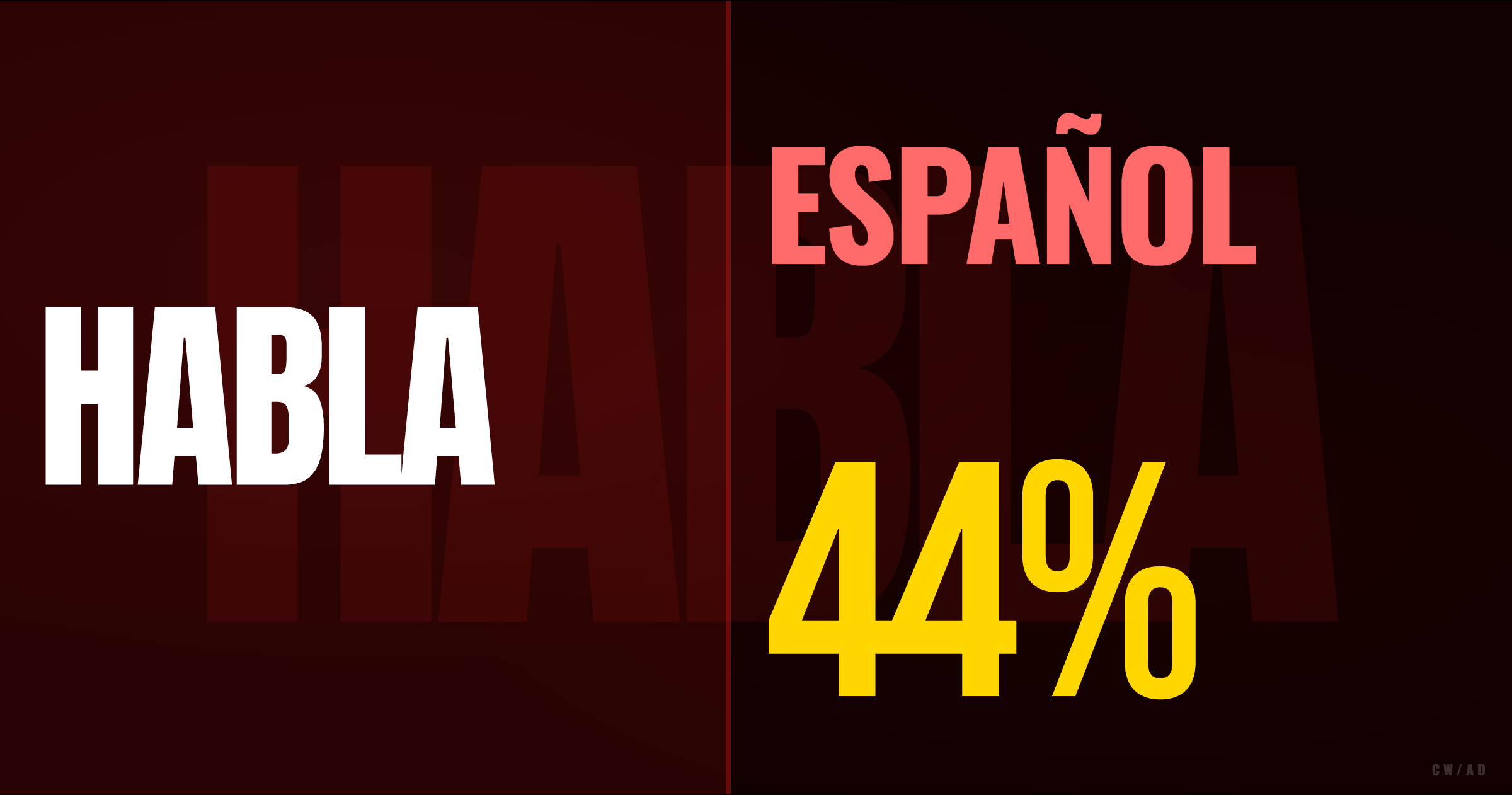
Hispanic Americans now represent nearly 20% of the U.S. population, with buying power projected to reach $2.8 trillion by 2026. According to research from CSA Research, 76% of consumers prefer to purchase products and services when information is available in their native language—and 40% will never buy from businesses that don't offer it.
For laundromat owners, the math is simple: if you can't communicate with Spanish-speaking customers, you're leaving money on the table. But the solution no longer requires hiring bilingual staff or learning a new language yourself. Artificial intelligence has changed everything.
The Hispanic Market Opportunity
Why Language Matters More Than Ever in the Laundromat Business
The laundromat industry is experiencing a technological renaissance. According to the Coin Laundry Association's 2024 report, revenue for independently owned laundromats rose by an average of 8% over the previous year. Facilities are adding wash-dry-fold services, implementing cashless payment systems, and competing for customers who have more choices than ever.
In this competitive environment, customer experience separates thriving laundromats from struggling ones.
Consider what research tells us about multilingual customer engagement:
74% of customers are more likely to make repeat purchases when they receive support in their own language, according to industry research from Neople. For laundromats—where the average customer visits weekly—this loyalty translates directly to revenue.
88% of U.S. Hispanics say they appreciate businesses that engage with them in Spanish, per Kantar research, and 87% agree that businesses making sincere efforts to serve their communities deserve their loyalty.
72% of consumers are more likely to buy again if support is available in their language, while 29% will switch to competitors when it isn't, according to CSA Research.
The message is clear: Spanish-language communication isn't a nice-to-have—it's a competitive necessity.
Three AI Technologies That Transform Customer Communication
Modern AI offers laundromat owners three powerful tools for serving Spanish-speaking customers. Each addresses a different touchpoint in the customer journey, and together they create a seamless experience that builds trust and drives loyalty.
1. AI Chat Support: Your 24/7 Bilingual Assistant
When a customer visits your website at 10 PM wondering if you have large-capacity machines for comforters, they shouldn't have to wait until morning for an answer. AI-powered chat widgets provide instant responses in the customer's preferred language—any time, any day.
How It Works: Modern AI chat systems use natural language processing to understand customer questions and respond conversationally. Unlike rigid chatbots of the past, today's AI can detect language automatically—often within the first few words—and respond fluently in Spanish, English, or even switch between languages mid-conversation for bilingual customers.
These systems are trained on your specific business information: your hours, your pricing, your policies for wash-dry-fold services, your machine sizes. When a customer asks "¿Cuánto cuesta lavar una colcha grande?" the AI doesn't just translate—it provides accurate information about your specific services.
The Impact: AI-powered chatbots can answer up to 80% of routine customer questions automatically, dramatically reducing the burden on staff while improving response times.
2. Language-Detecting Landing Pages: Meeting Customers Where They Are
Your website is often a customer's first impression of your business. For Spanish-speaking customers, arriving at an English-only site creates immediate friction. Language-detecting landing pages eliminate this barrier automatically.
How It Works: When a visitor arrives at your website, AI technology identifies their language preference through browser settings, location data, or previous interactions. The page automatically displays in their preferred language—no clicking through menus, no searching for a tiny flag icon.
This goes beyond simple translation. Effective multilingual landing pages are localized, meaning they adapt not just words but cultural context, imagery, and even design elements that resonate with Hispanic customers.
Why It Matters: 75% of Hispanic Americans speak Spanish at home. When your landing page greets customers in Spanish, it signals respect and inclusion. It tells them: "You belong here. We want your business."
3. AI Phone Agents: Voice Support That Never Sleeps
Despite the rise of digital communication, phone calls remain critical for laundromat customer service. Customers call to ask about hours, report machine problems, inquire about lost items, and schedule wash-dry-fold pickup.
How It Works: Modern AI voice technology combines speech recognition, natural language understanding, and text-to-speech to create conversational phone experiences. The AI can understand spoken Spanish (including regional dialects and accents), process the customer's request, access your business information, and respond naturally.
Critically, these systems can be trained on your specific business: your hours, your policies, your pricing, your service area for pickup and delivery. When a customer calls asking "¿Tienen servicio de lavado y doblado?" the AI provides accurate, specific information about your wash-dry-fold offerings.
Real Results: When Vodafone implemented multilingual AI voice support, they reported a 30% reduction in customer service costs and a 40% improvement in customer satisfaction.
What Makes AI Customer Service Different From Translation
A common misconception is that AI customer service simply translates existing content. In reality, modern AI systems do something far more powerful: they understand context, maintain conversation history, and respond appropriately to the customer's actual needs.
Context Awareness
When a customer asks about machine availability in Spanish, the AI understands they want to know if machines are open right now—not a general explanation of your equipment.
Conversational Memory
Unlike simple translation tools, AI systems maintain context throughout a conversation. If a customer asks about pricing, then follows up with "¿Y para sábanas?" the AI understands they're asking about pricing for sheets specifically.
Cultural Fluency
Effective AI systems are localized, not just translated. They understand that Hispanic customers may have different expectations around formality, family references, and communication style.
Business Specificity
Generic AI won't help your business. Effective AI customer service is trained on your specific information: your hours, your prices, your policies, your location, your services.
Implementing AI for Your Laundromat: A Practical Roadmap
Moving from interest to implementation requires planning. Here's a practical approach for laundromat owners considering AI-powered multilingual customer service.
Assess Your Current Customer Base
Review your neighborhood demographics, observe who visits your laundromat, and consider where you may be missing potential customers. What percentage of your local population speaks Spanish at home?
Prioritize Your Touchpoints
If you have a website that drives business, start with language-detecting landing pages and AI chat. If you receive frequent phone inquiries, prioritize AI voice agents. Building a new digital presence? Implement all three together.
Gather Your Business Information
AI systems are only as good as the information they're trained on. Compile complete hours, pricing for all services, machine sizes, policies, service area for pickup/delivery, and frequently asked questions.
Choose the Right Partner
Look for a partner who understands both the technology and the laundromat industry—someone who can train AI systems on your specific business needs and ensure they work correctly in both English and Spanish.
Launch and Learn
AI systems improve over time. After launch, monitor performance, review customer interactions, and refine responses based on real-world usage. The best implementations treat AI as an evolving tool.
The Competitive Advantage of Being First
The laundromat industry is at an inflection point. Technology adoption is accelerating, customer expectations are rising, and competition is intensifying as private equity firms and franchises enter the market.
In this environment, differentiation matters. While your competitors are still debating whether to offer multilingual service, you can be serving Spanish-speaking customers fluently—24 hours a day, across every touchpoint.
Research consistently shows that brand loyalty among U.S. Hispanics is exceptionally high: 80% agree that when they find a brand they like, they stick with it. Earning that loyalty through excellent, respectful service in Spanish creates a competitive moat that's difficult for competitors to breach.
The laundromat down the street might eventually hire a Spanish-speaking attendant. But you'll already have built relationships with customers who remember that your business served them well when nobody else could.
Why Cullari & Wardell Builds Custom AI—Not Off-the-Shelf Solutions
Most agencies offering AI customer service are reselling the same third-party tools everyone else uses. They plug in a generic chatbot, slap your logo on it, and call it a day. When that platform has an outage, your business goes dark.
We write our own code. Every AI chat widget, every language-detecting landing page, every voice agent we deploy is built from the ground up by our development team. No white-labeled software. No dependency on third-party platforms that could disappear tomorrow.
Enterprise-level resilience. Our custom platforms are architected for reliability. When off-the-shelf solutions experience downtime during peak hours, our clients stay online.
Responsive to real laundromat needs. Generic AI platforms don't understand that laundromat customers ask about machine capacity at 6 AM, or that wash-dry-fold pricing has nuances that matter. Our platforms are trained on actual questions your customers ask.
Continuous optimization. Technology doesn't stand still, and neither do we. Our platforms undergo constant updates—new features, performance improvements, and refinements based on real-world usage data.
Frequently Asked Questions
How much does AI customer service cost for a laundromat?
AI customer service costs vary based on features, usage volume, and implementation complexity. Many providers offer tiered pricing that scales with your business. The investment typically pays for itself through increased customer acquisition and retention—businesses using AI support often report 20-30% reductions in customer service costs alongside improved satisfaction.
Will AI replace my staff?
AI augments human staff rather than replacing them. AI handles routine questions and after-hours inquiries, freeing your team to focus on high-value interactions, machine maintenance, and in-person customer service. Most successful implementations use AI to extend capabilities rather than reduce headcount.
How accurate is AI translation for customer service?
Modern AI systems achieve high accuracy in translation, particularly for conversational customer service in major languages like Spanish. Quality AI providers use specialized training data and ongoing refinement to ensure responses are not just translated but localized—culturally appropriate and natural-sounding.
Can AI handle complex customer issues?
AI excels at routine questions and information requests. For complex issues—complaints, special requests, technical problems—well-designed systems seamlessly escalate to human support. The key is implementing AI as part of a complete service strategy, not as a standalone solution.
How long does it take to implement AI customer service?
Basic implementation can take as little as a few weeks for chat widgets and landing pages. More comprehensive solutions involving voice agents and deep integration with business systems may require 1-3 months. The timeline depends on your specific needs and the complexity of your business information.
Your Community Is Waiting
The working mother we mentioned at the beginning of this article? She represents millions of potential customers across America—hardworking people who need laundry services and want to give their business to someone who values them.
AI-powered customer service isn't about replacing human connection. It's about extending your ability to connect with every customer who walks through your door or visits your website or calls your phone number. It's about saying, in every language: "You're welcome here."
Hispanic Americans contribute over $3.1 trillion to the U.S. economy annually. They're your neighbors, your community members, your potential long-term customers. They're also dramatically underserved by businesses that haven't adapted to meet their needs.
The technology exists today to serve them well. The only question is whether you'll be the laundromat that does.